Next Overturns Equal Pay Ruling on Basic Wages for Shop Staff
Next Overturns Equal Pay Ruling on Basic Wages for Shop Staff
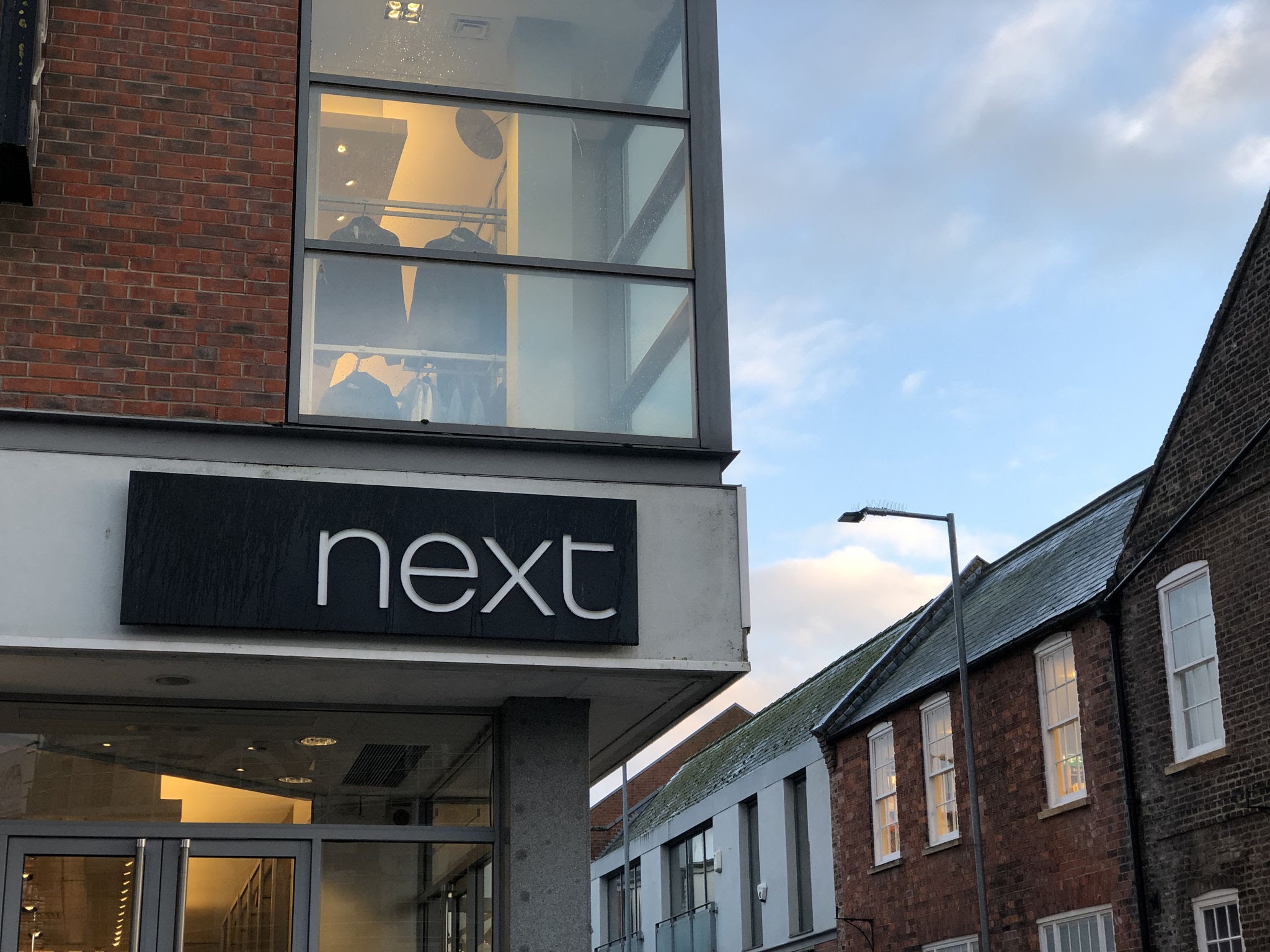
UK fashion and homeware retailer Next has successfully appealed a 2024 tribunal decision that required the business to pay store assistants the same basic hourly rates as warehouse staff under equal pay legislation.
The Employment Appeal Tribunal ruled in favour of Next on the core issue of basic pay, reversing a previous decision secured by store employees following a six year legal dispute. Store workers argued that the company paid retail sales staff, who are predominantly female, lower hourly rates than warehouse workers, who are majority male.
The case originated from a group of 3,540 claimants covering pay periods between 2012 and 2023. Since the 2024 Leeds employment tribunal decision, additional claims brought the total number of staff involved in the litigation to more than 6,400. Next currently operates 458 stores across the UK and Ireland, employing more than 20,000 store workers.
Arguments Over Market Rates and Working Conditions Next argued that higher pay rates for warehouse workers were necessary due to specific recruitment and retention pressures that did not apply to store roles. The retailer stated that the appeal judgment endorsed its position that it "should not have to pay shop assistants and warehouse operatives the same amount of basic pay, in circumstances where the market and working conditions are very different."
The company added that the decision affirmed the legal principle that "Employers must be able to pay what is necessary to recruit the people they need; and that doing so does not oblige them to raise the pay of other employees where there is no reason to do so."
Data presented in the legal proceedings showed that women accounted for almost 78 percent of retail sales roles, whereas men comprised about 53 percent of warehouse staff. Law firm Leigh Day noted that hourly wage gaps between warehouse workers and store staff ranged from 38p to £3.13 during the period covered by the claim.
Legal Team Prepares Appeal on Basic Pay Leigh Day, representing the store employees, described the outcome as a mixed ruling. While the appeal tribunal found in favour of Next regarding basic pay, it rejected the retailer's challenges on other compensation elements, including night time pay rates, overtime premiums, and paid rest breaks. The tribunal also determined that lower Sunday premium payments for store staff require further consideration by the employment tribunal.
Elizabeth George, a partner at Leigh Day representing the claimants, responded to the ruling:
"I am pleased that the employment appeal tribunal rejected Next’s arguments that its pay practices do not disadvantage women. They plainly do and the appeal tribunal firmly recognised that. I am also pleased that the tribunal upheld the findings on night-time premiums, overtime premiums and paid rest breaks.
"The appeal tribunal’s conclusion on basic pay is disappointing. Next pays market rates in both its stores and its warehouses in order to recruit and retain staff. The market rate is higher in the predominantly male warehouse labour market, even though the work carried out in stores has already been found to be equal work.
"While the store staff and their legal team welcome many aspects of this appeal judgment, we respectfully disagree with this approach to justification. We remain confident in our clients’ position and intend to appeal."
Broader Implications for the Retail Industry Both the original tribunal and the appeal tribunal established that direct gender discrimination did not take place. The initial tribunal noted that "It was all about cost. Gender did not enter into the equation" when Next established pay rates across its business.
Next previously warned that equalising basic pay across retail and warehouse operations posed a threat to store viability, putting retailers with internal logistics at a disadvantage compared to competitors outsourcing warehouse functions.
Following the ruling, Next stated that it intends to seek permission to appeal the elements of the decision it lost, while welcoming the outcome on basic pay. "This judgment has come at the right time, the UK economy desperately needs jobs and the loss of this appeal would have represented a hammer blow to retail employment in the UK," the company said.
Source: The Guardian