
Investor Backlash: Burberry Braces for Shareholder Revolt Over Boss’s Proposed £9.4m Pay Deal
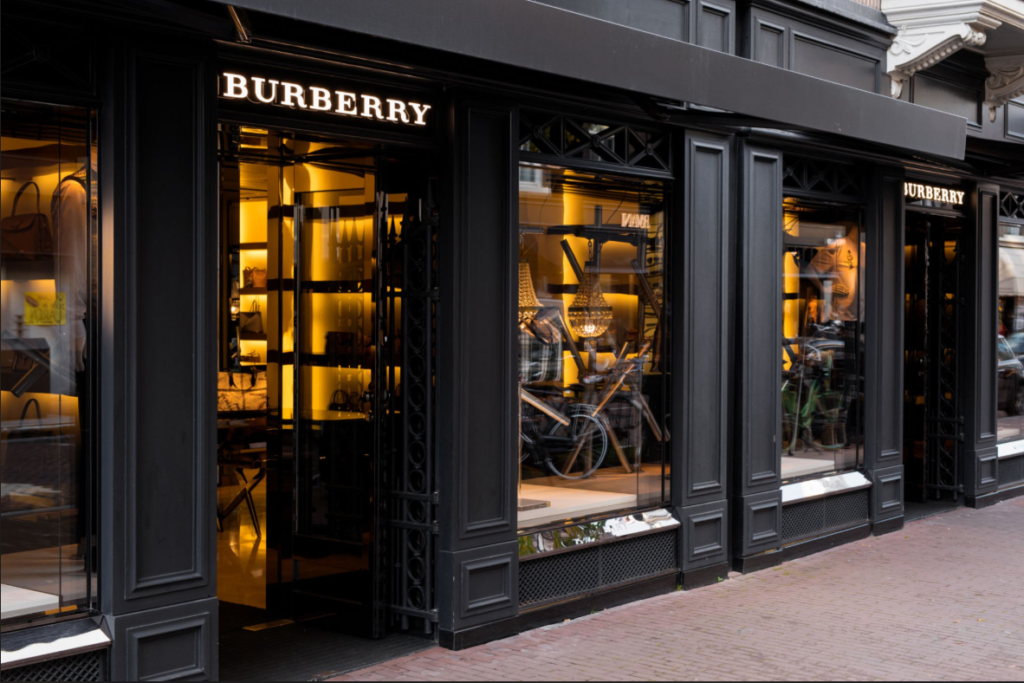
British luxury giant Burberry is facing intense pushback from top shareholder advisory groups over a proposed bonus restructure. The controversial pay plan could see chief executive Joshua Schulman secure up to £3.7 million in additional share bonuses, potentially boosting his total annual compensation to a staggering £9.4 million.
Ahead of its annual general meeting (AGM), two of the world’s leading proxy advisory firms—Institutional Shareholder Services (ISS) and Glass Lewis—have strongly urged investors to vote down the executive pay motion.
The Proposed Restructure
The FTSE 100 fashion house has tabled a proposal to transition to a hybrid pay incentive structure. Under this new plan, Burberry would be permitted to grant Schulman performance-based stock bonuses worth up to 300% of his base salary, layered on top of an existing 150% share award.
If approved, Schulman’s maximum pay packet for the coming financial year would jump from a projected £4.5 million to £9.4 million. This total would comprise:
- A base salary of £1.2 million
- An existing £1.9 million share award
- Up to £3.7 million in new performance-linked shares
- Additional standard benefits and legacy incentives
Even if performance targets are only partially met, the restructure would likely see his total earnings rise to around £6.3 million.
“Not Yet Proven”
Burberry’s board argues that the aggressive incentive plan is necessary to motivate top executives as they guide the heritage brand through a delicate economic turnaround. Since taking the reins in July 2024, Schulman has successfully steered Burberry back into profitability following a sharp £66 million loss the prior year, refocusing the brand’s identity on “timeless British luxury” over experimental high-fashion.
However, shareholder proxies argue the massive raise is premature.
“While [Schulman] is agreed to have performed well in leading a turnaround to date, and has a strong record at other companies, he does not yet have a long track record at Burberry,” ISS told investors, warning that the proposed plan offers “only a limited reduction in certainty” should the executive fail to meet future performance targets.
Glass Lewis also heavily criticized the scale of the package. The advisory group pointed out that proposing executive pay benchmarks typical of “upper quartile” FTSE 100 companies is highly inappropriate, given that Burberry’s market capitalization has fallen significantly, sliding down to 93rd place in the index.
Financial Footing & Turnaround Hurdles
The pay dispute lands at a highly sensitive time for Burberry. While Schulman declared a “meaningful inflection point” in May after meeting consensus revenue expectations of £2.4 billion, the underlying recovery is still fragile.
The luxury brand successfully captured £80 million in cost-savings over the past year—targeting £100 million by the next cycle—but failed to meet analysts’ pre-tax profit forecasts of £88 million. To compound matters, Burberry’s stock price has shed 18% of its value since the start of the year.
With the AGM on the horizon, the upcoming vote will serve as a direct test of investor confidence in the brand’s leadership and its costly recovery plan.
Source: Adapted from original coverage by City A.M.